Writing by Kyle Critcher
Essays on tabletop roleplaying, homebrew design, and what actually happens when the dice hit the table. Posts live here and on Substack.

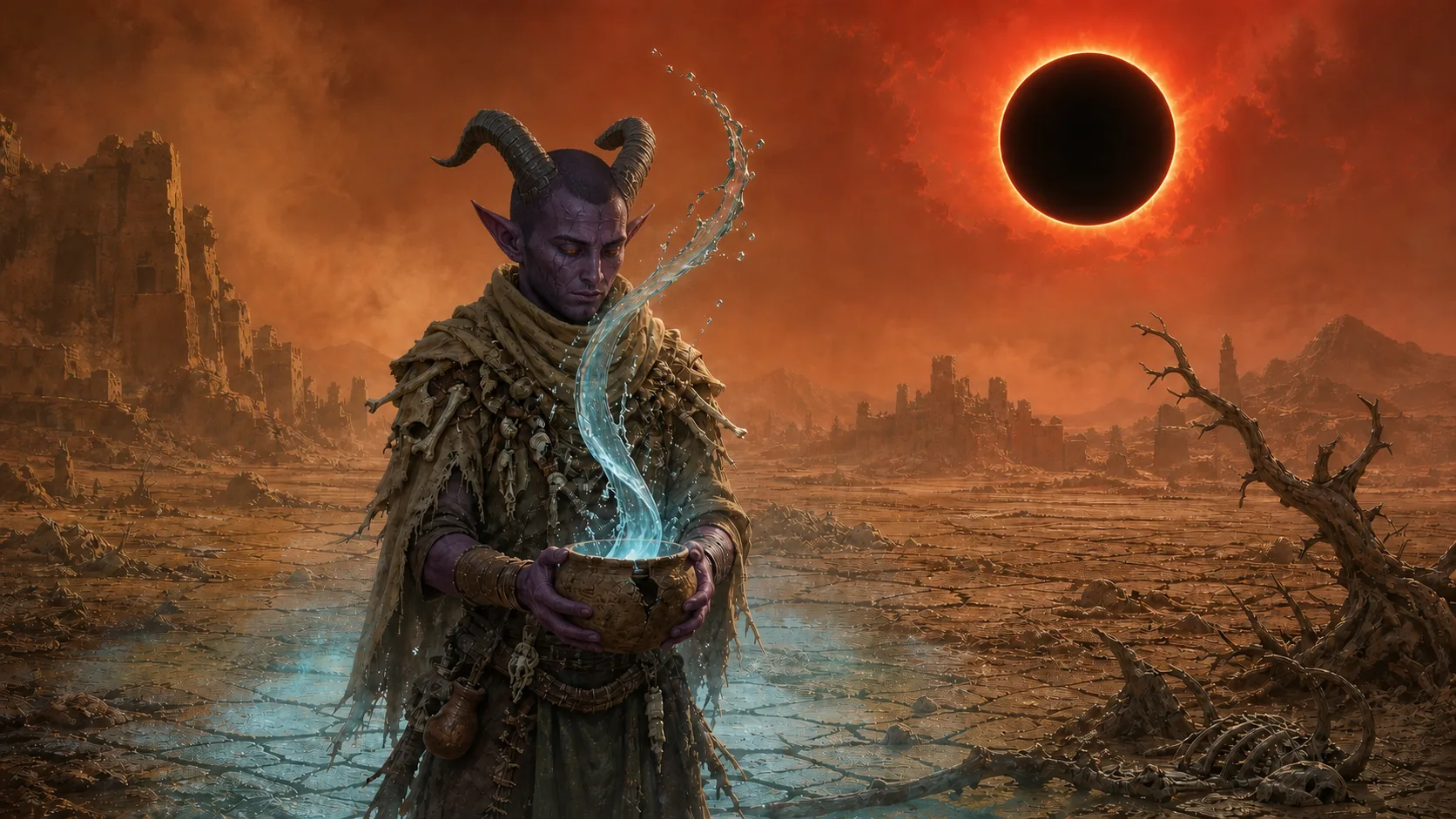
Dark Sun Is 5e’s Hardest Test Yet
Dark Sun returns after sixteen years. A first look at how 5e's flexible engine must adapt when scarcity, survival, magic, and psionics define the setting.
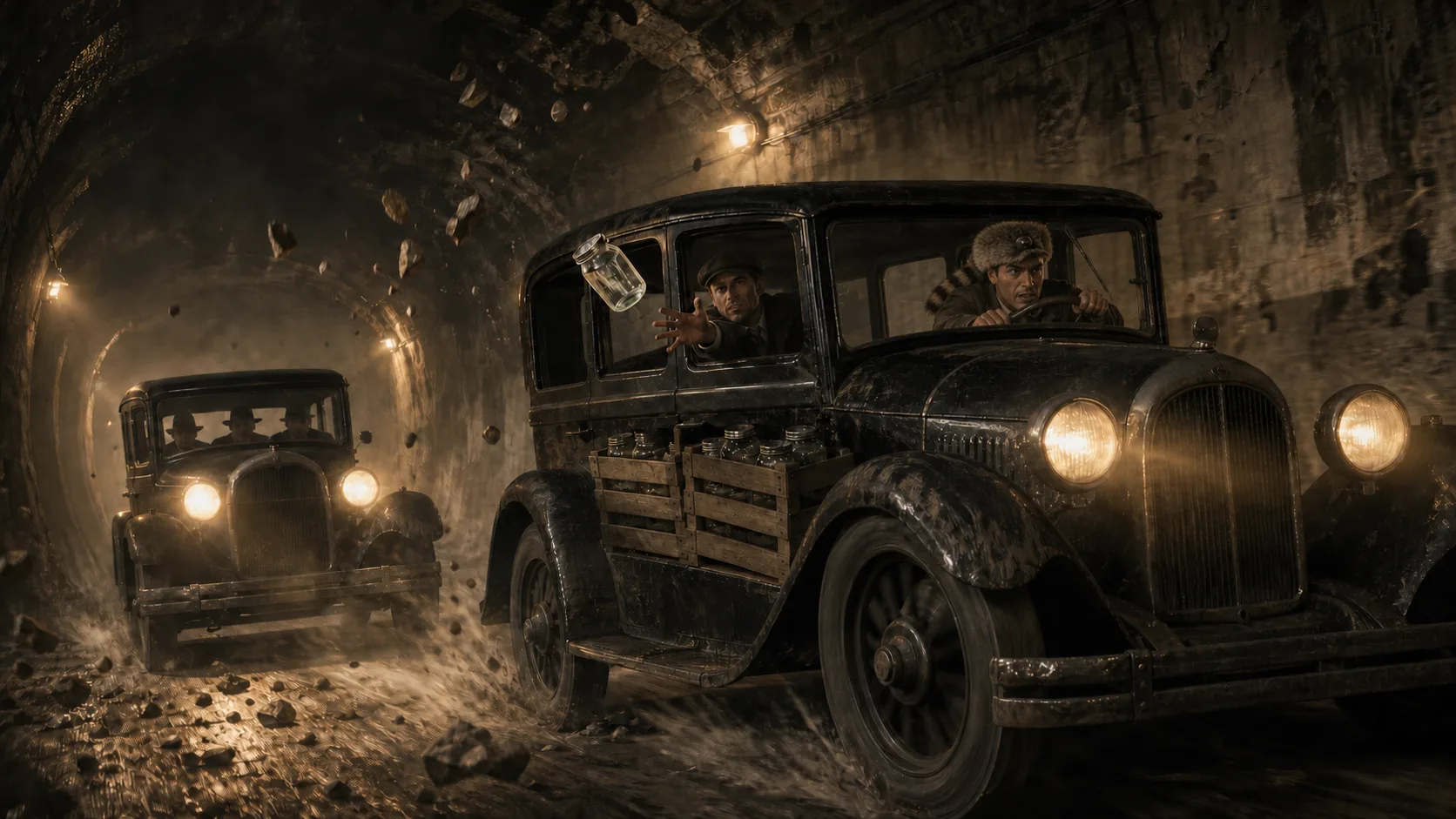
Old Gods Bootlegger Tunnel Run
An offhand offer became a two-session endurance encounter through 500 miles of bootlegger tunnels: the d12 table, the vehicle HP buffer, and why I let the players roll their own encounter checks.
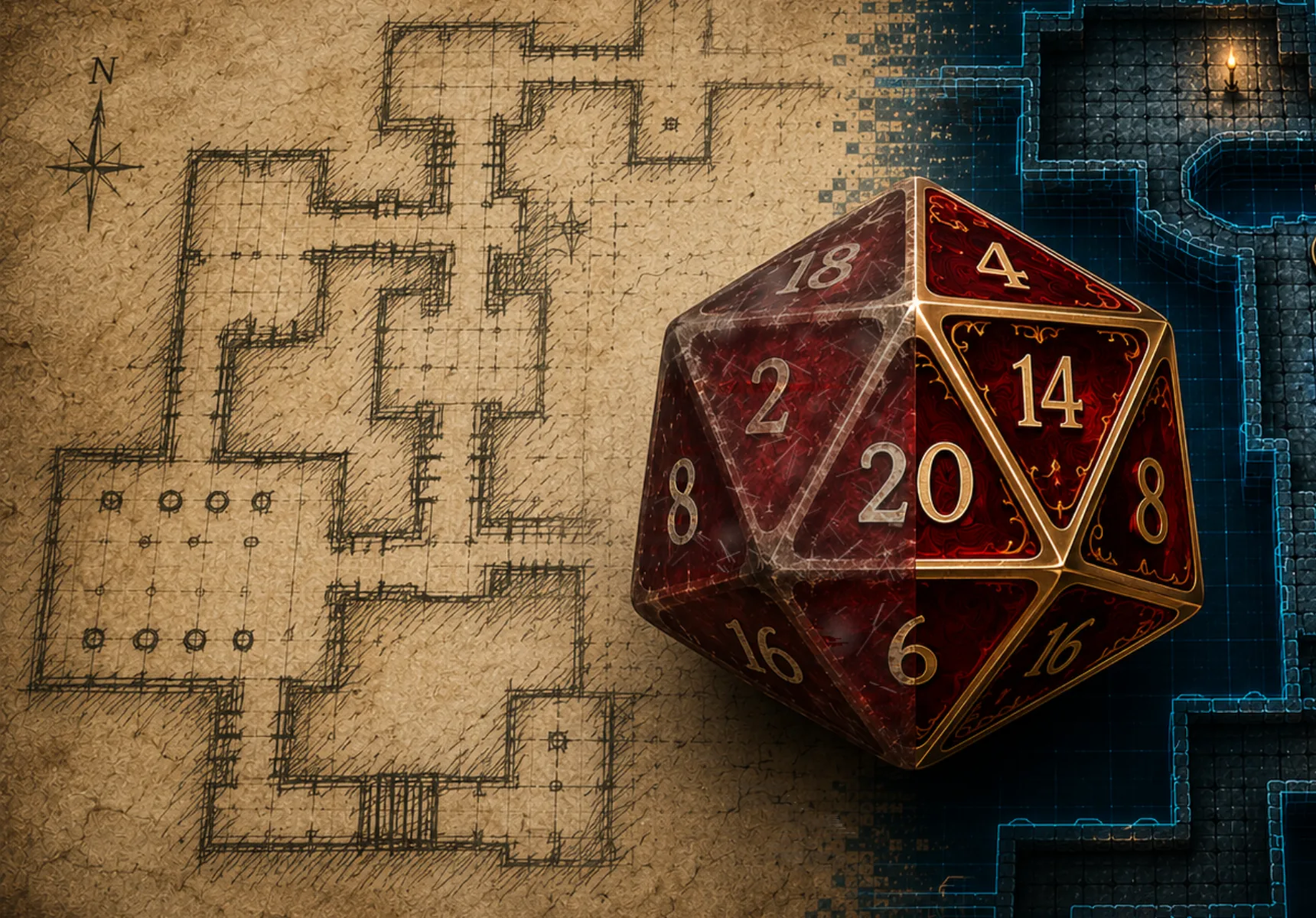
Dice Across the Decades
An AD&D veteran and a current 5e DM compare notes on the 2024 Player's Handbook: what the classes and species look like now, how alignment used to be enforced, and what has not changed since the Red Box.
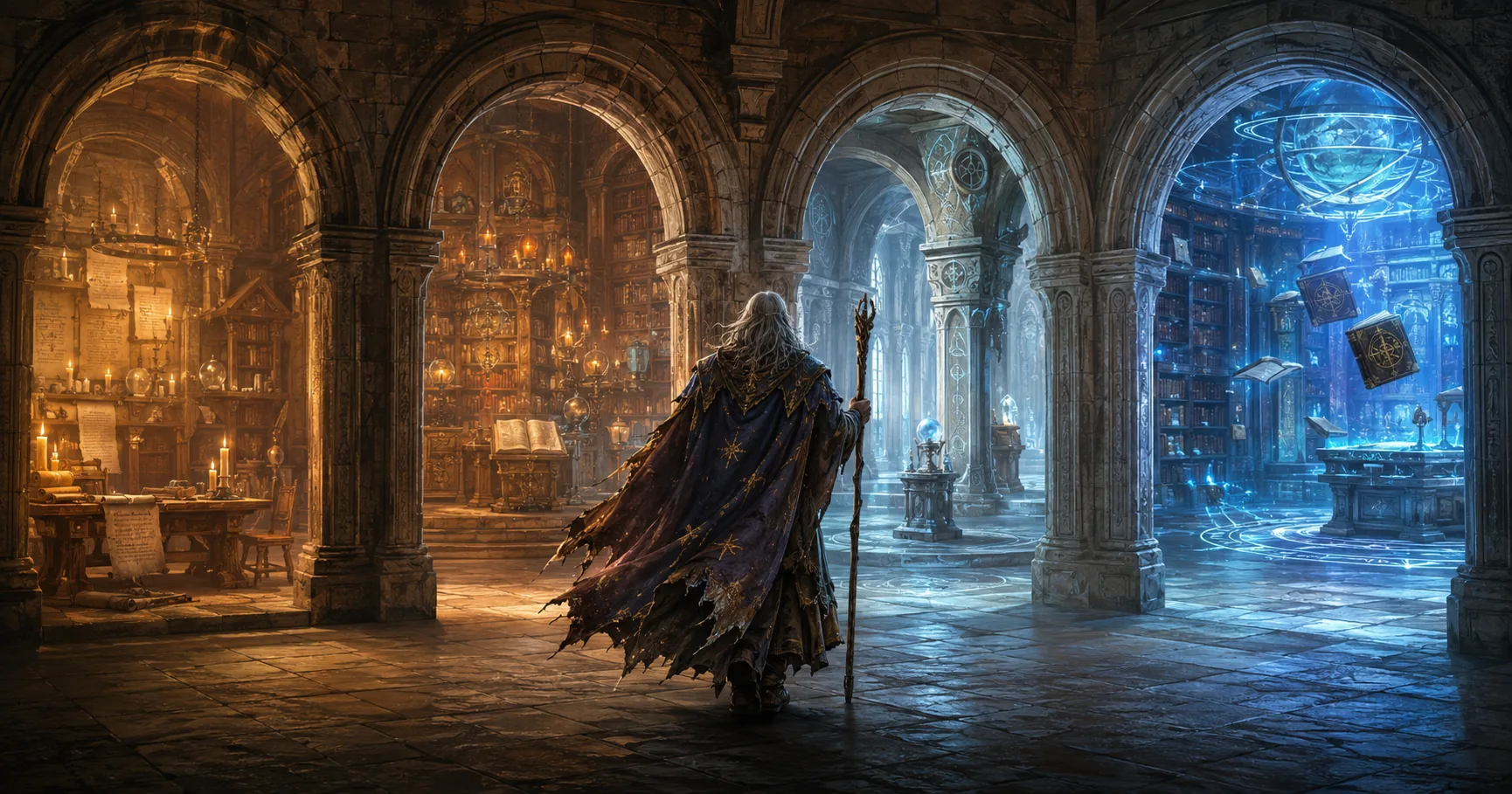
Gary's Gargantuan Game
Gary Gygax created Mordenkainen as his own player character in 1973, played him for twelve years, and lost the rights to him in 1985. The rules kept getting replaced. The character never was.
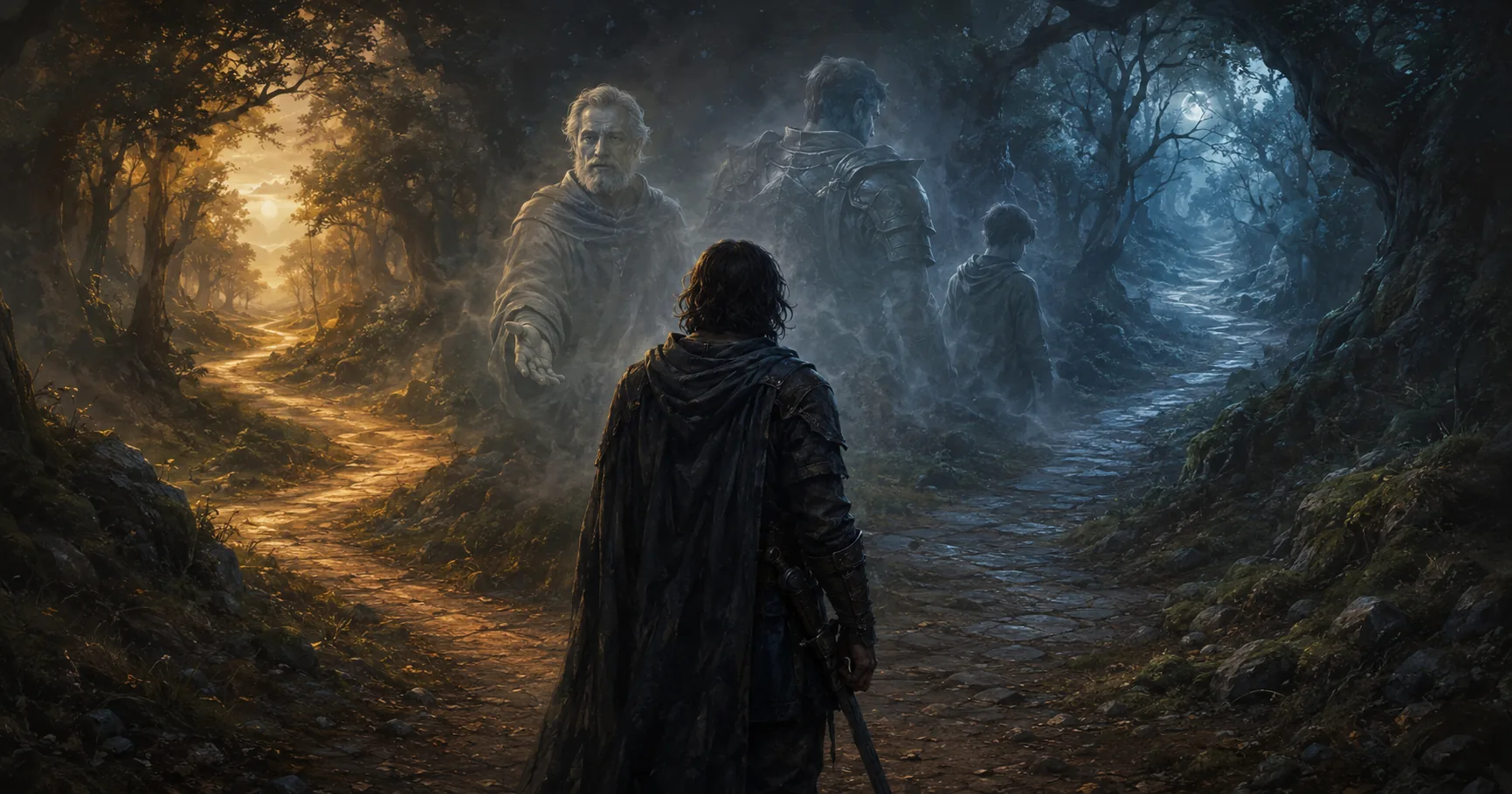
D&D Character Creation
A game master's approach to D&D character creation. It is the why, not the what, that turns a backstory into a character worth playing.
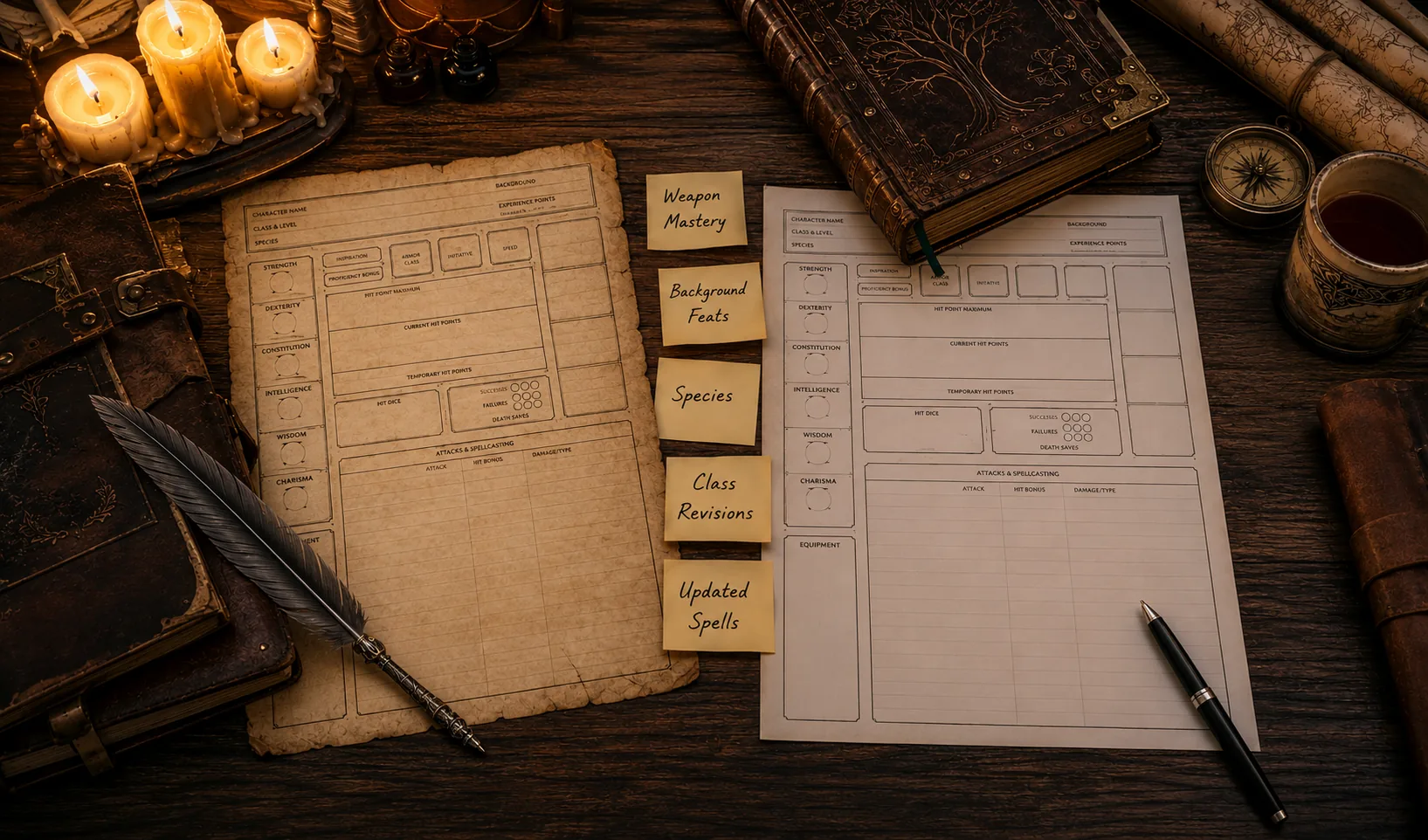
5e vs 5.5e
What I use, what I don't and why
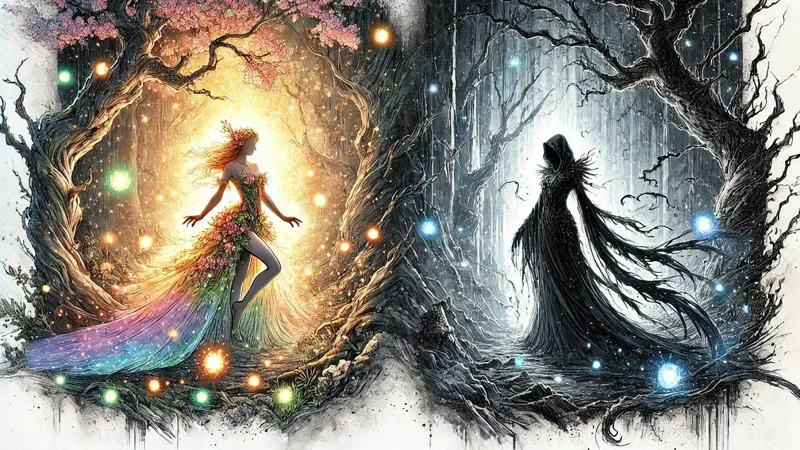
Cosmology of D&D Part 1
The Material Plane's mirrors: the Feywild and the Shadowfell. A DM's tour of the planes sorted by party level, starting with the two your table is most likely to visit.
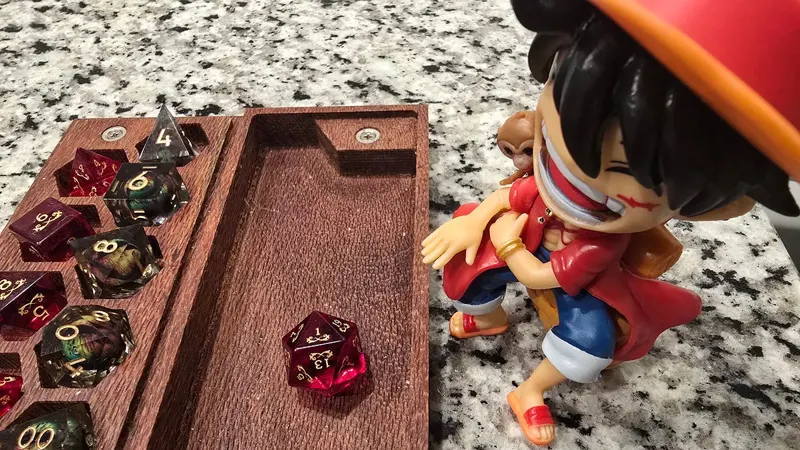
Natural 1
A natural 1 does not have to sink the scene. How the worst roll on the die becomes the moment everyone retells later, and why leaning into failure makes for a better game.
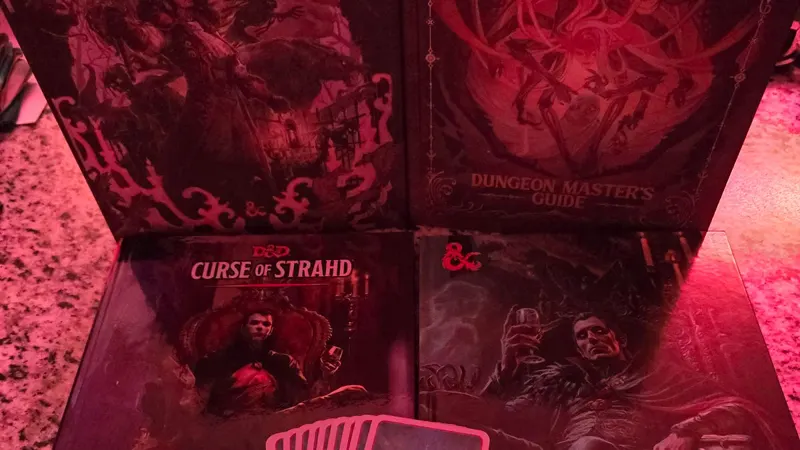
Ravenloft: The Horrors Within
A DM's first look at the new 5.5e Ravenloft expansion: the Domains of Dread, running horror at the table, and the two new subclasses worth embracing.
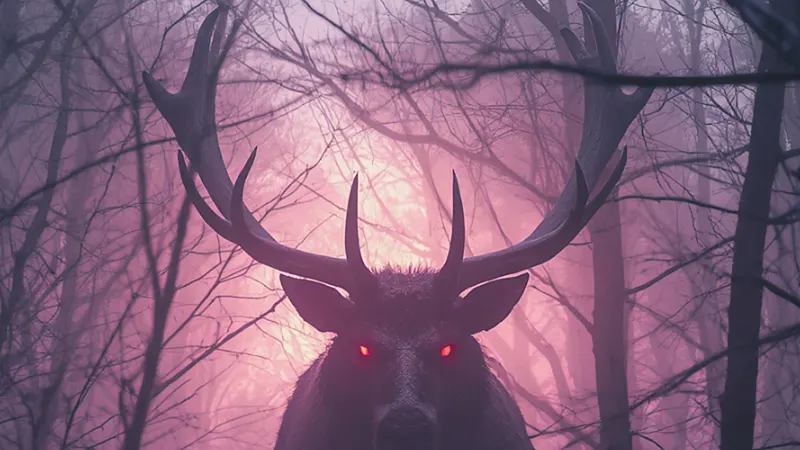
Old Gods Made New
Homebrewing Old Gods of Appalachia into 5.5e: setting, monsters, encounters, and the lessons that turned up along the way.
Thing to keep in mind
What in the world am I doing here? A short note on why this blog exists and where it is headed.
Roll for a topic.
These are the ideas I am chewing on for future posts. Give the die a roll and see what the dice gods have in store.
Tap the d20 to roll →
Got a question I should take on?
Something about running games, building worlds, or homebrewing that you would like me to dig into? Send it over. The good ones become posts.
Submissions land in my inbox.
Get new posts by email
One email when something new goes up. No spam, and you can leave whenever you like. Subscriptions are handled by Substack.